Art of Raqs Sharqi with Karim Nagi, Tarik Sultan and Mel’Keta
- 630 Rundle Avenue Nashville, TN, 37210 United States (map)
A weekend full of workshops, community and fun!
Register for the full weekend and enjoy the Friday night Hafla, all the workshops and the Saturday Night Showcase.
Workshop participants may apply to perform in the Saturday Night Showcase.
Guests are invited to enjoy the Friday night Hafla and the Saturday night showcase.


Immerse yourself in a full day of Raqs Sharqi education. On Saturday also enjoy watching our Saturday night show case performance.
See workshop descriptions below and the weekend schedule here.
Day Pass ticket holders may purchase Hafla tickets separately.
(Showcase performer applications accepted from full Weekend Registrants only.)
Choose all items you want, click “Add to Cart” for each item, fill out forms, if any, then proceed to your cart to complete payment.
SATURDAY WORKSHOPS:
Sagat (Finger Cymbals)- Karim
You are a dancer and a musician at the same time. Your hands can play any rhythm that a drummer can play. You can accent the orchestra, follow the dynamics of the song, or simply choose the right moment to not play. Sagat (Egyptian word) and Zills (Turkish word), when played correctly, can add to a dancer's dynamism and effect. Each dancer will be transformed into a moving musician.
Shaabi - Mel’Keta
Get ready for a new spin on an old Shaabi classic by the late great Godfather of Shaabi, Ahmed Adawaya. In this workshop participants will learn a fun and energetic choreography that can be performed as a solo or in a group.
Upright Balancing Technique Vertical- Tarik
The balancing of various objects is a part of Egyptian social folk dance in general. Glasses, bottles, jugs and other objects are all used to show off the dancer’s skills. It’s out of this folk tradition that dances like Raks il Shammadan were born. While generally not part of night club performances, acrobatic elements like this were very common amongst folk performers who danced for the local working-class communities. We will be learning the technique of how to balance a vertical freestanding object. Once you have mastered this skill, you will be able to balance freestanding objects like a hookah, or a shammadan without the need for a cap or helmet.
SUNDAY WORKSHOPS:
Rhythmic Flexibility- Mel’Keta
You've got the dums and teks, but do you truly hear your music? Beyond counting, learn to rhythmically navigate the embellishments and stillness of Baladi and Saidi. Get ready to explore and feel what it is to flexibly embody the many layers and textures. The ebb and flow of tension and release, the subtle accents, and the spaces in between. BRING YOUR SAGAT!!
Urban Cane Dance: Raks Al Asaya- Tarik
The Cane Dance, (Raks al Asaya), is not strictly a Saidi dance. Found all over Egypt including the rural areas outside of the Said, as well as the urban cities. As a part of Baladi Dance in general the cane is used to frame the body and highlight the movements. In this fun and exciting dance, we will incorporate several fundamental cane manipulations to highlight the dance movements.
Dabke- Karim
Literally meaning "Stomp" in Arabic, Dabke (also spelled Dabka, Dubki, Dabkeh, plural Dabkaat) is a group dance found in the Eastern Arab countries. Performed mostly as a unisex line dance, Dabke is avidly done at the weddings and parties of Lebanese, Syrian, Jordanian and Palestinian communities. A version can also be found in Iraq, known as Chobie. The movements include rhythmic stomping, kicking, sidewards walking, hoping and jumping. In social settings the dancers hold hands and form long moving lines or wide rotating circles. There are also many stage performances and musical theater shows that feature Dabke dances. You may also find Dabke used as a form of non-violent social protest during war and conflicts. But it is primarily a proud and energetic group line dance enjoyed by all ages and both genders.

Join us for the awesome party on Friday night, with our old school Hafla!
May 30. Doors open at 6pm, Hafla from 7-9pm.
Choose quantity and click “Add to Cart,” then proceed to cart to complete payment.
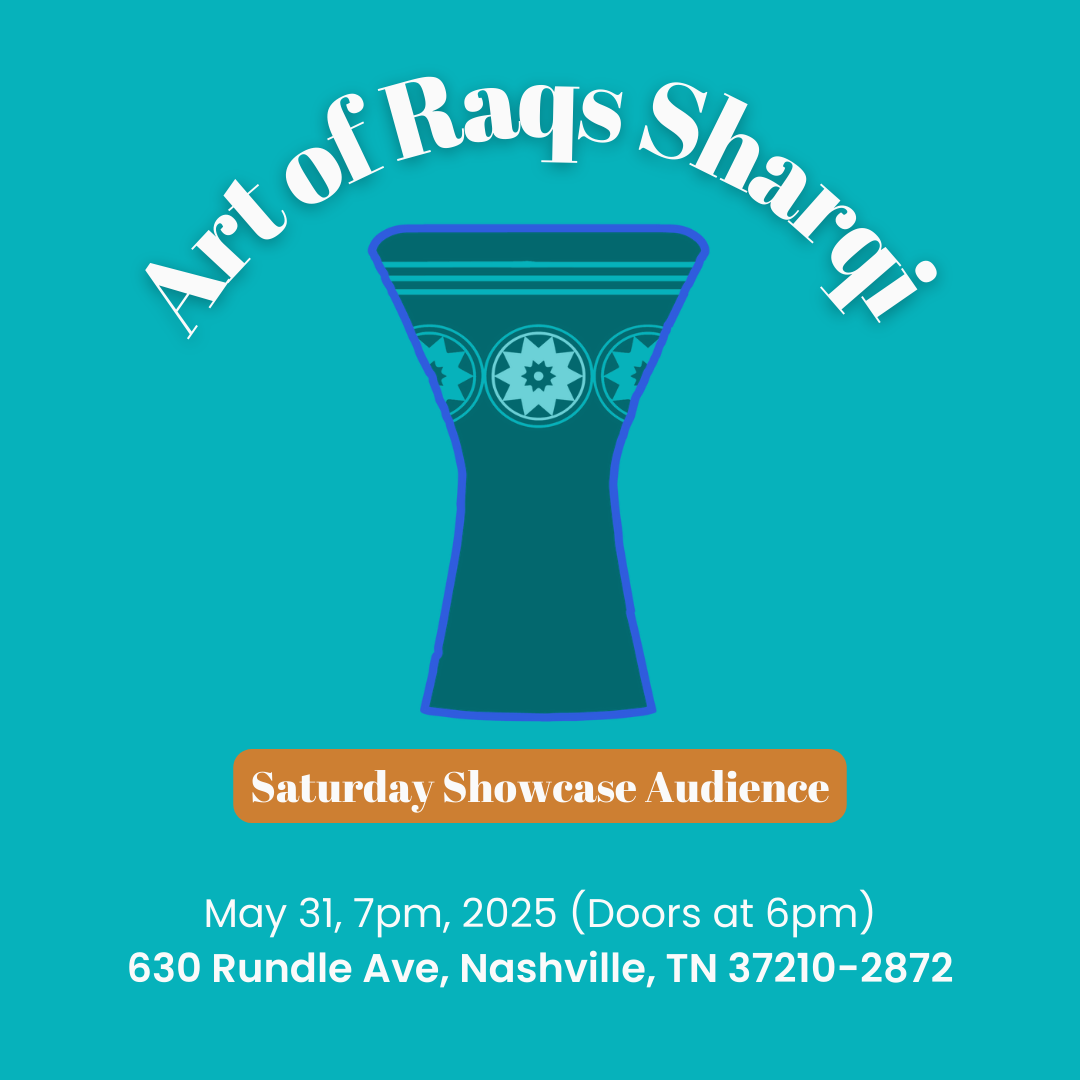
Come watch the spectacular show featuring Karim Nagi, Tarik Sultan, Mel’Keta and other fantastic performers.
Online Tickets only on sale through Friday night.
Choose quantity, click “Add to Cart” then proceed to cart for payment.
Tickets at the door will be $22.
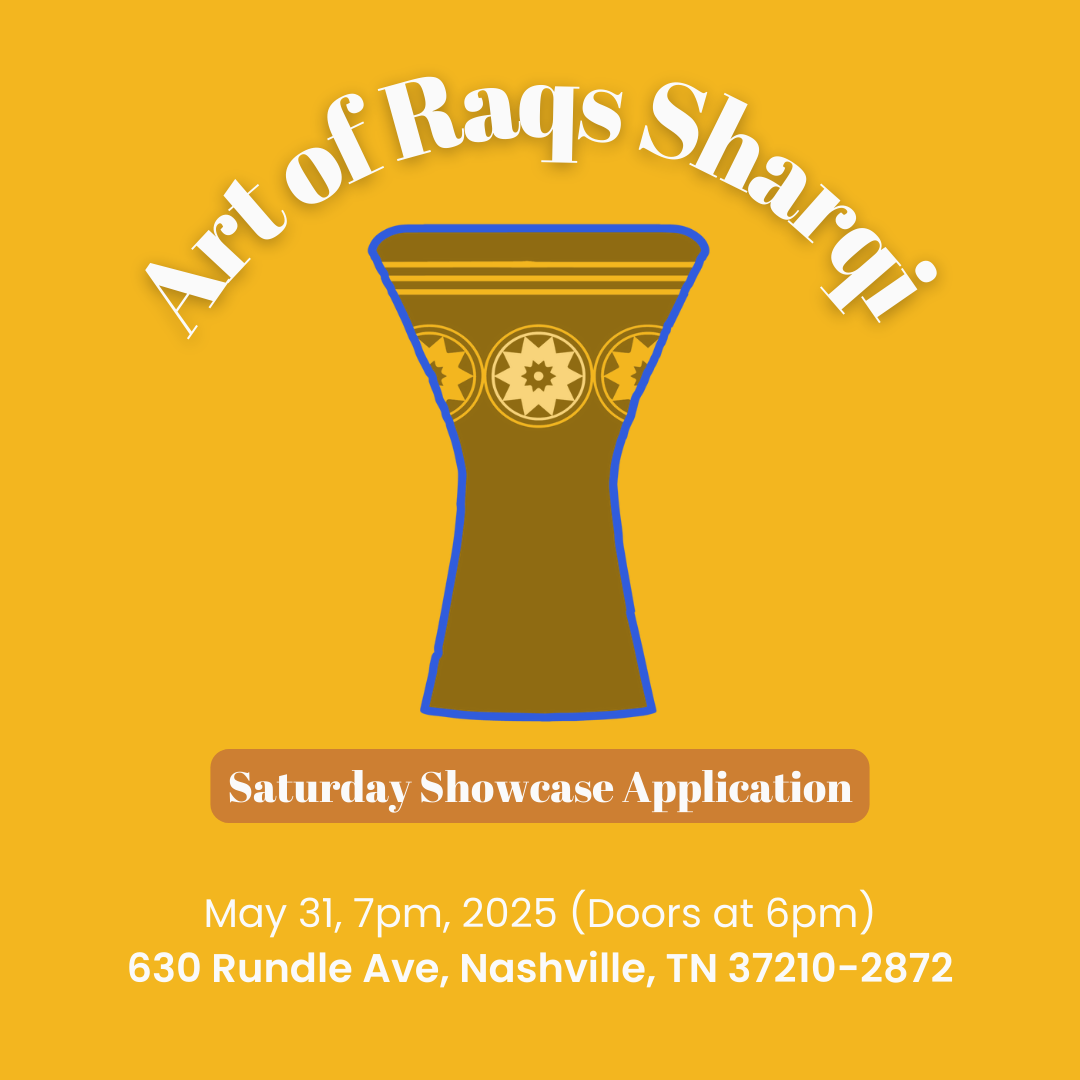
We love all performers, and invite all workshop participants to perform in our casual Friday Hafla. Our Saturday Showcase show will be vetted for variety and flow.
Applications only accepted from weekend participants. Be sure to submit your weekend payment along with, or before this application.
Click “Add to Cart,” complete application, and then proceed to cart. You will not need to pay, but you must still complete the payment page.
Applications accepted through May 15.
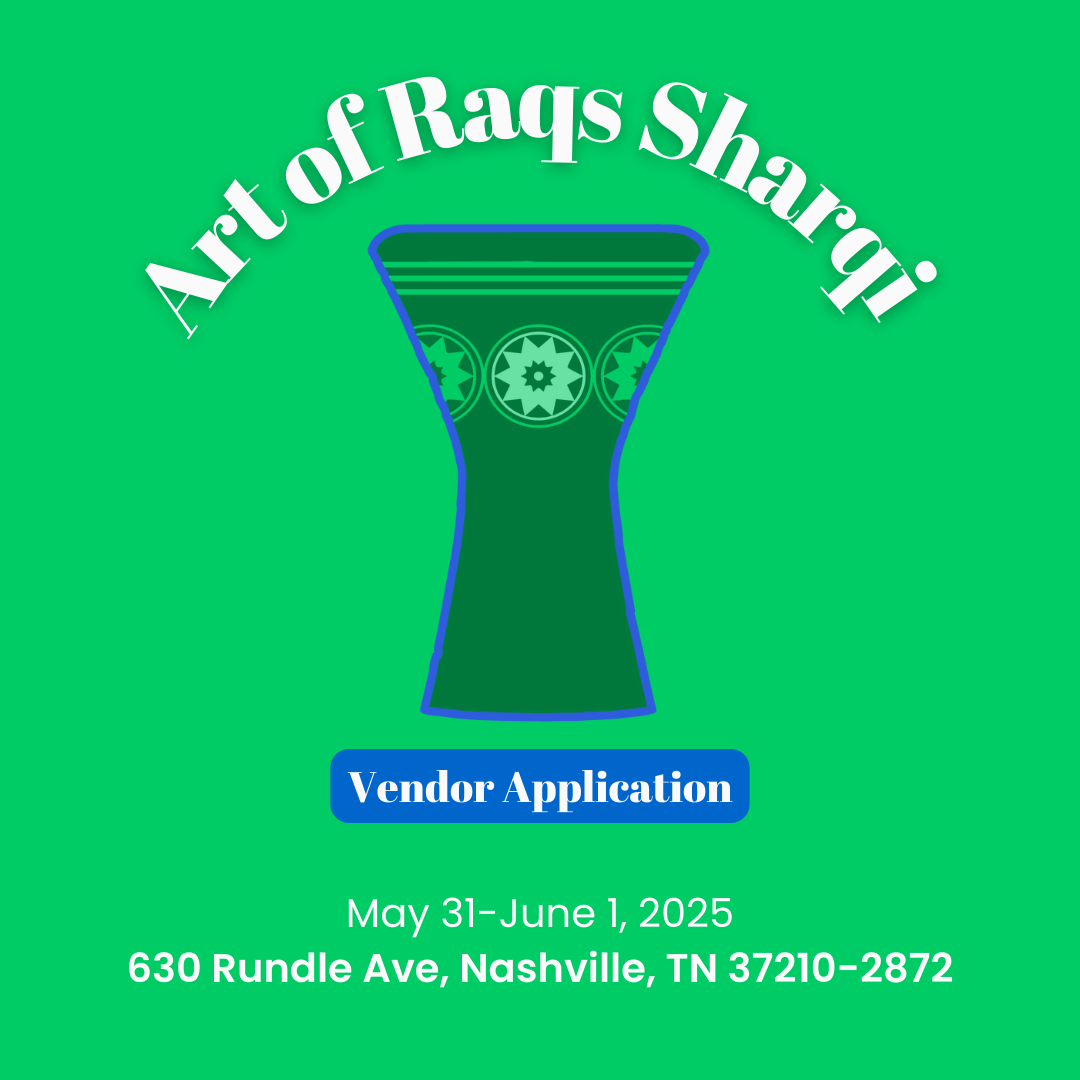
Showcase your wares in a glorious full weekend of Raqs Sharqi and shopping.
Details:
Setup Saturday 6:30-8am
Breakdown Sunday 2-4pm
Designated space: 12 x12
Provided:
(2) 6ft x2.5ft folding rectangular tables
(2) display table rounds
(2 chairs)
Ample space for you to bring your rolling racks and additional setup items.
$75
Select “Add to Cart,” full out application, then proceed to your cart to complete payment.
Want to know where to stay! Check out our Google Map.
Immerse yourself in a glorious full weekend of Raqs Sharqi - Friday night hafla, workshops, and a scintillating Saturday showcase.
See workshop descriptions below and the weekend schedule here.
Guests may purchase Hafla and Showcase tickets separately.
Showcase performer applications accepted from Weekend Registrants only. Once you add this to your cart, you may also add your application to your cart.
Choose all items you want, click “Add to Cart” for each item, fill out forms, if any, then proceed to your cart to complete payment.
Dabke- Karim
Literally meaning "Stomp" in Arabic, Dabke (also spelled Dabka, Dubki, Dabkeh, plural Dabkaat) is a group dance found in the Eastern Arab countries. Performed mostly as a unisex line dance, Dabke is avidly done at the weddings and parties of Lebanese, Syrian, Jordanian and Palestinian communities. A version can also be found in Iraq, known as Chobie. The movements include rhythmic stomping, kicking, sidewards walking, hoping and jumping. In social settings the dancers hold hands and form long moving lines or wide rotating circles. There are also many stage performances and musical theater shows that feature Dabke dances. You may also find Dabke used as a form of non-violent social protest during war and conflicts. But it is primarily a proud and energetic group line dance enjoyed by all ages and both genders.
Upright Balancing Technique Vertical- Tarik
The balancing of various objects is a part of Egyptian social folk dance in general. Glasses, bottles, jugs and other objects are all used to show off the dancer’s skills. It’s out of this folk tradition that dances like Raks il Shammadan were born. While generally not part of night club performances, acrobatic elements like this were very common amongst folk performers who danced for the local working-class communities. We will be learning the technique of how to balance a vertical freestanding object. Once you have mastered this skill, you will be able to balance freestanding objects like a hookah, or a shammadan without the need for a cap or helmet.
Rhythmic Flexibility- Mel’Keta
You've got the dums and teks, but do you truly hear your music? Beyond counting, learn to rhythmically navigate the embellishments and stillness of Baladi and Saidi. Get ready to explore and feel what it is to flexibly embody the many layers and textures. The ebb and flow of tension and release, the subtle accents, and the spaces in between. BRING YOUR SAGAT!!
Sagat (Finger Cymbals)- Karim
You are a dancer and a musician at the same time. Your hands can play any rhythm that a drummer can play. You can accent the orchestra, follow the dynamics of the song, or simply choose the right moment to not play. Sagat (Egyptian word) and Zills (Turkish word), when played correctly, can add to a dancer's dynamism and effect. Each dancer will be transformed into a moving musician.
Shaabi - Mel’Keta
Get ready for a new spin on an old Shaabi classic by the late great Godfather of Shaabi, Ahmed Adawaya. In this workshop participants will learn a fun and energetic choreography that can be performed as a solo or in a group.
Urban Cane Dance: Raks Al Asaya- Tarik
The Cane Dance, (Raks al Asaya), is not strictly a Saidi dance. Found all over Egypt including the rural areas outside of the Said, as well as the urban cities. As a part of Baladi Dance in general the cane is used to frame the body and highlight the movements. In this fun and exciting dance, we will incorporate several fundamental cane manipulations to highlight the dance movements.